Venom production · Western Amazon Basin

Documented, lawfully exported venom from the Peruvian Amazon.

Yavari Bio Resources produces lyophilised snake venom for antivenom manufacture and scientific research, from a permitted captive facility in Iquitos. Every consignment ships with a certificate of analysis, wildlife authority clearance and full export documentation.

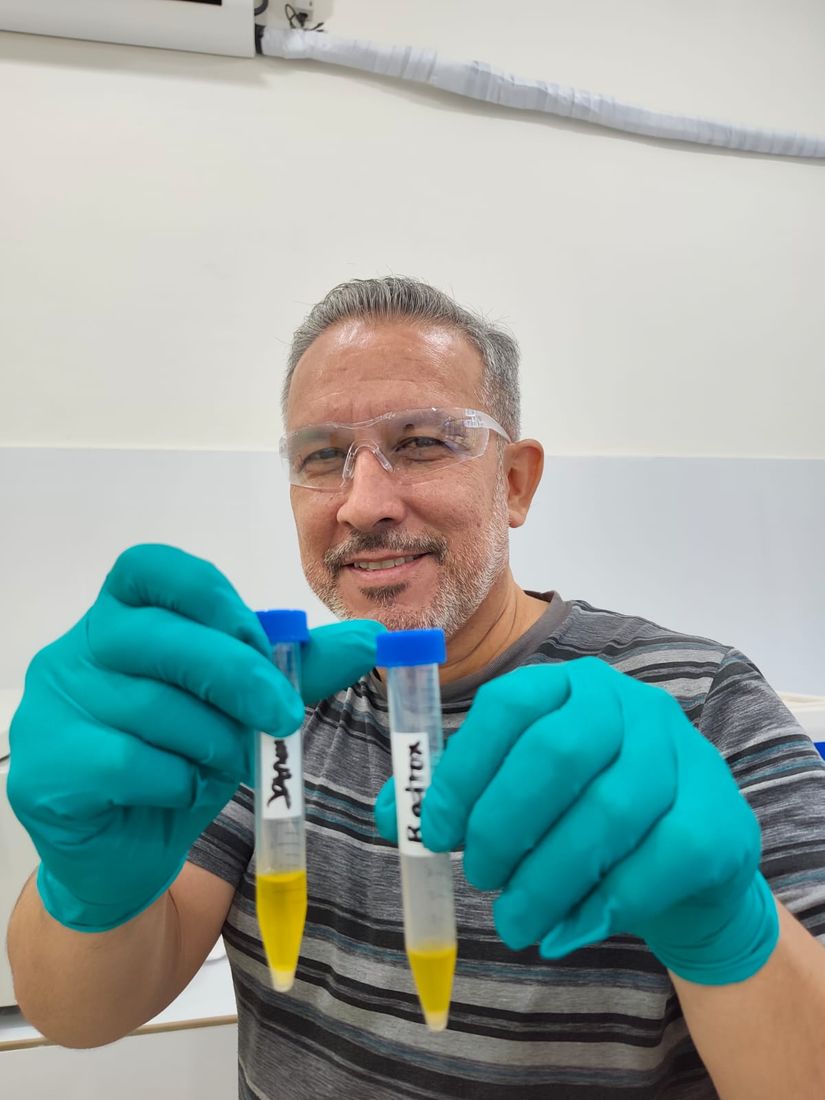
Technician in safety glasses and nitrile gloves holding two labelled tubes of freshly extracted venom.
Extracted venom, labelled by species, before lyophilisation.
Established
2017
Authorisation
Captive breeding and venom production, Peruvian wildlife authority
Product form
Lyophilised powder, vacuum-sealed vials
Current supply
Licensed antivenom manufacturer, Argentina
01

What we supply

Quantities and pricing quoted per enquiry. Minimum order and lead time confirmed at proforma stage.

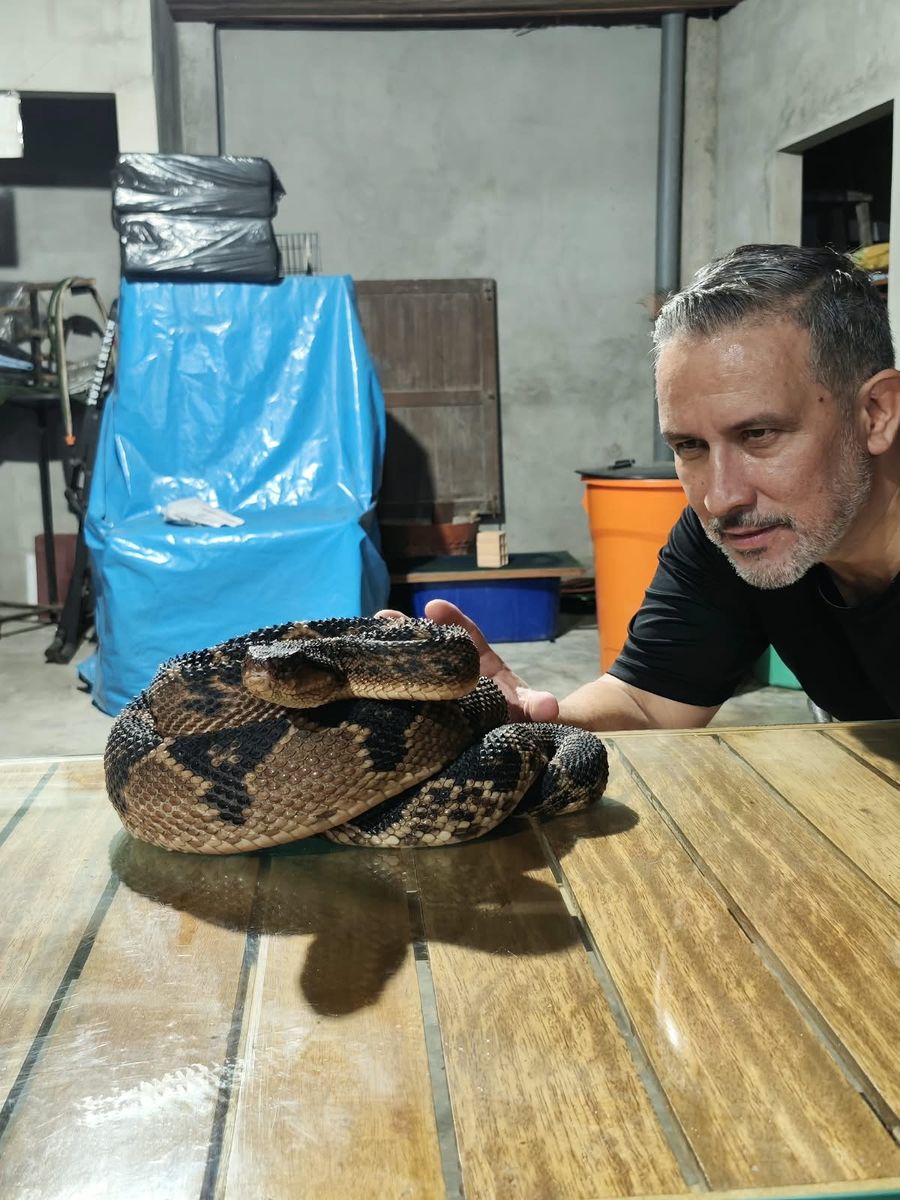
An adult bushmaster coiled on a work surface at the facility.

Lachesis muta

Bushmaster · Shushupe

The largest viperid in the Americas and the rarest of our products. Bites are uncommon but carry high mortality, and captive-held animals are scarce, which makes consistent supply unusual.

Form
Lyophilised powder
Catalogue
YBRV-LM0200
Presentation
Sealed vial, mg quantities
Origin
Loreto, Perú
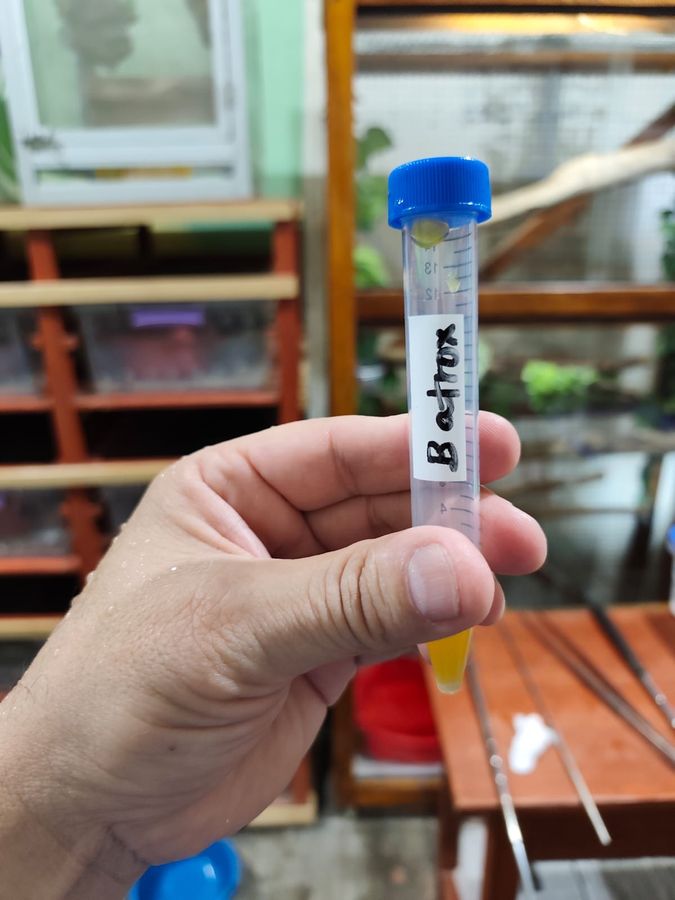
A tube of extracted venom labelled B. atrox.

Bothrops atrox

Lancehead · Jergón de la selva

The species responsible for the majority of snakebite envenoming across the Amazon basin, and the principal commercial line. Held under the same husbandry and extraction protocol as the bushmaster programme.

Form
Lyophilised powder
Catalogue
On enquiry
Presentation
Sealed vial, mg quantities
Origin
Loreto, Perú

Our permits allow additional species to be brought into production where a sustainable work plan is presented for each. Enquiries for Amazonian species not listed here are welcome and will be answered honestly about what we can and cannot currently supply.

02

Documentation and compliance

The paperwork is the product. Material without provenance is of no use to a regulated buyer.

Perú applies stricter domestic measures than CITES alone requires: export of wild fauna specimens, including derivatives, is permitted only against authorisation and physical inspection. We have completed the full cycle repeatedly and can evidence each stage.

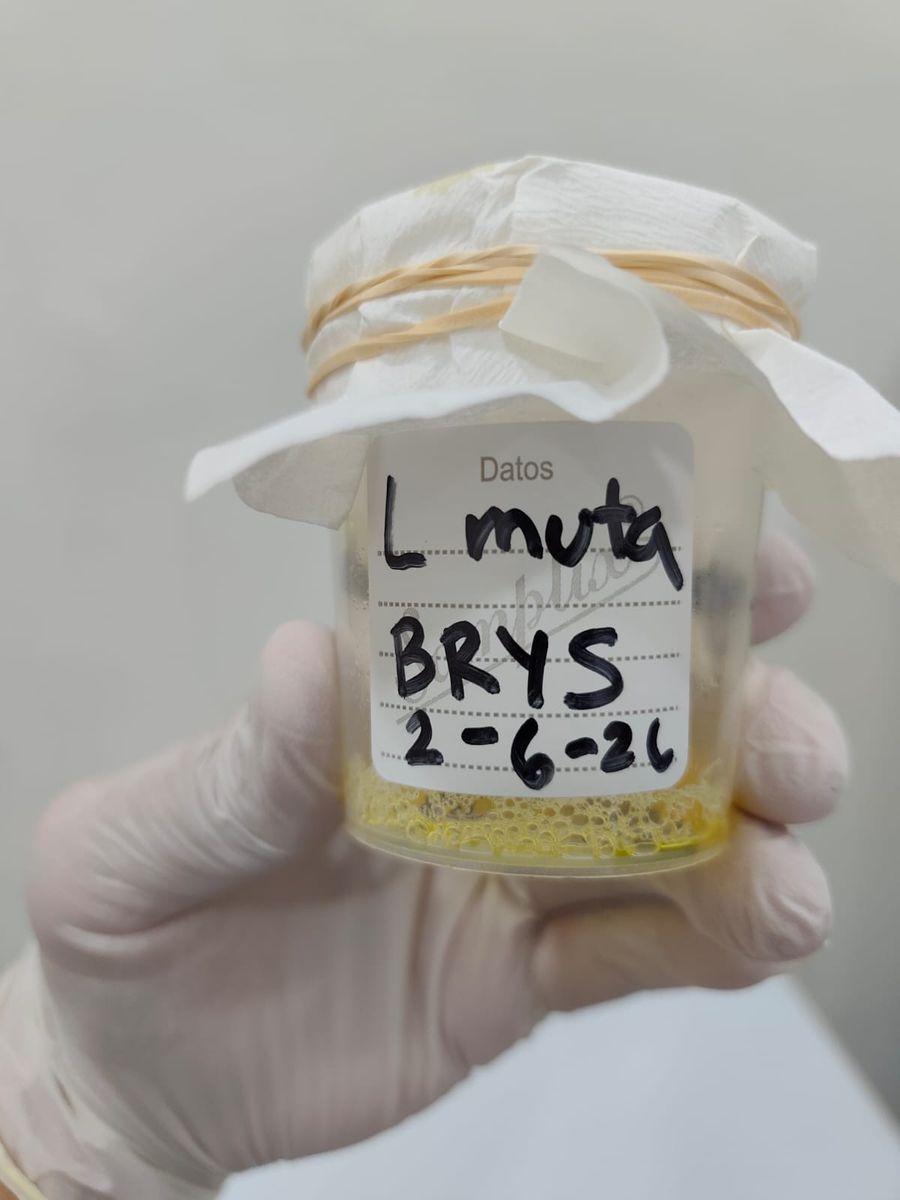
Every container is identified at the point of extraction — species, batch reference and date — and that identity follows the material through lyophilisation, cold storage, inspection and export.

A sealed specimen jar of venom, hand-labelled with species, batch reference and extraction date.
Batch identified at extraction: species, reference, date.
i

Certificate of analysis

Issued per consignment, identifying species, batch and material characteristics.

ii

Wildlife authority inspection and transport guide

Physical inspection of the consignment in Iquitos before release, followed by issue of the transport guide.

iii

Certificate of origin

Confirming lawful origin from a registered and permitted captive facility.

iv

Customs declaration and SUNAT export record

Full Peruvian customs declaration, with electronic invoicing under RUC 20602295541.

v

Commercial invoice and packing specification

Issued against your purchase order, itemising material, packaging and export documentation costs.

vi

Courier consignment and cold chain

International courier under the appropriate dangerous goods classification for toxins extracted from living sources.

Buyers requiring an import pre-certificate in their own jurisdiction should say so at purchase order stage. We will hold the consignment until your clearance is confirmed rather than risk it at the border.

03

The facility

San Juan district, southern Iquitos, Loreto.

We have worked since 2017 to build captive husbandry and reproduction practice that had not previously been attempted in this region. The site houses venomous and non-venomous snakes, lizards and amphibians, alongside a substantial rare plant collection and sustainable local crops.

Extraction is conservative by design. Animals are milked on a schedule set by their condition rather than by order book, because stress is the limiting factor in captive viperid health. We would rather quote a longer lead time than push an animal.

Material is frozen before lyophilisation and held under cold storage until export clearance is granted.

Working relationships

Regional wildlife authority
Training partner
Universities and schools
Visits and lectures
Regional hospital, Iquitos
Species identification
Scientific institutions
Ongoing

We assist the regional hospital with identification of the species responsible in snakebite cases, and maintain contact with specialists so that treatment decisions can be made faster.

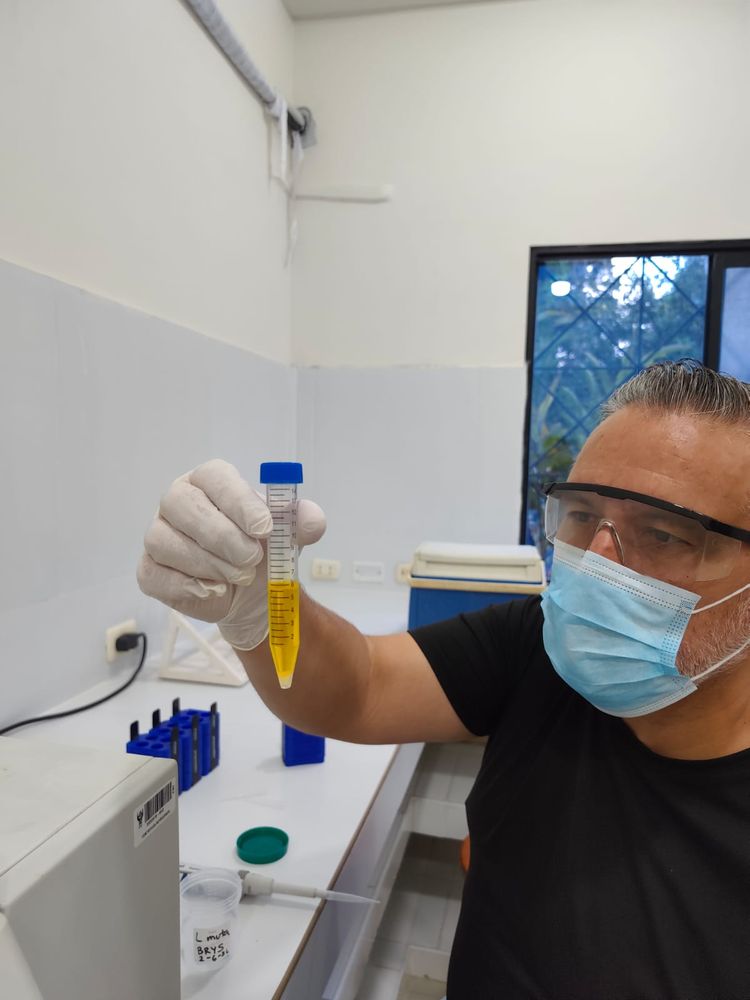
Venom being processed at the bench under gloves, mask and eye protection.
Processing, under PPE
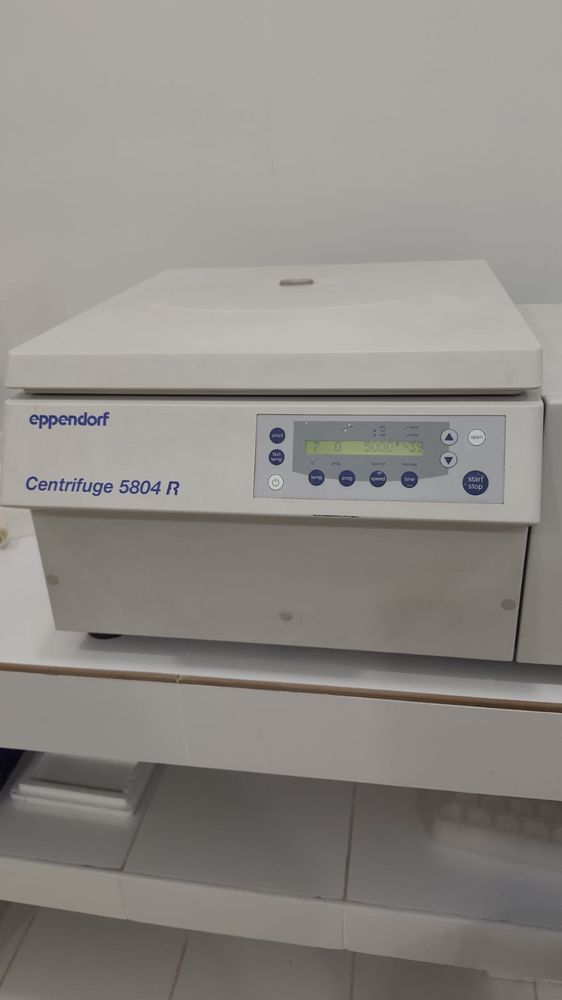
Benchtop refrigerated centrifuge in the laboratory.
Refrigerated centrifuge
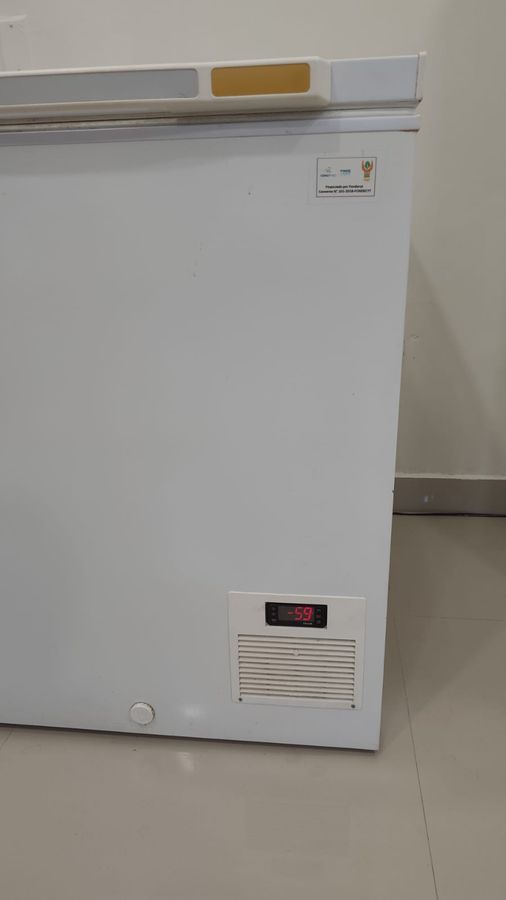
Temperature-monitored freezer used for venom storage.
Monitored cold storage
04

Conservation programmes

A good snake is a dead snake in much of this region. Changing that is the longer work.

Proyecto Shushupe

Lachesis muta

Captive propagation of the bushmaster, a species with a long record of failure in captivity elsewhere. The programme exists to establish a self-sustaining captive population and reduce reliance on wild-sourced animals entirely.

Proyecto Esmeralda

Corallus batesii

Captive propagation of the western emerald tree boa, a non-venomous species heavily targeted by the illegal pet trade, and a programme run alongside the venom work rather than from it.

Both programmes are run under the same permits as our production work and are reported to the wildlife authority at annual inspection. We are open to partnership with institutions working on Amazonian viperid conservation or snakebite burden in Loreto.

05

Education and outreach

Delivered largely on a voluntary basis since the facility opened.

We deliver courses and presentations alongside the regional wildlife authority in snake handling, species identification and venomous snakebite first aid. Most of this has been done at our own cost, because the people who most need it are rarely the people who can pay for it.

The facility receives students, researchers and visitors from across the world, and hosts extended teaching visits for veterinary and biology faculties. The aim is straightforward: fewer dead snakes, fewer dead people, and a generation of local biologists and forestry engineers who see these animals as worth defending.

Institutional visits, field teaching and student placements can be arranged. Enquire through the contact below.

Recent teaching

Universidad Nacional Mayor de San Marcos
16 students
Visit duration
4 hours
Faculty
Veterinary, yrs 4–5

Visitors received from

United States · England · Argentina · Switzerland · Colombia · Malta · Japan · New Zealand

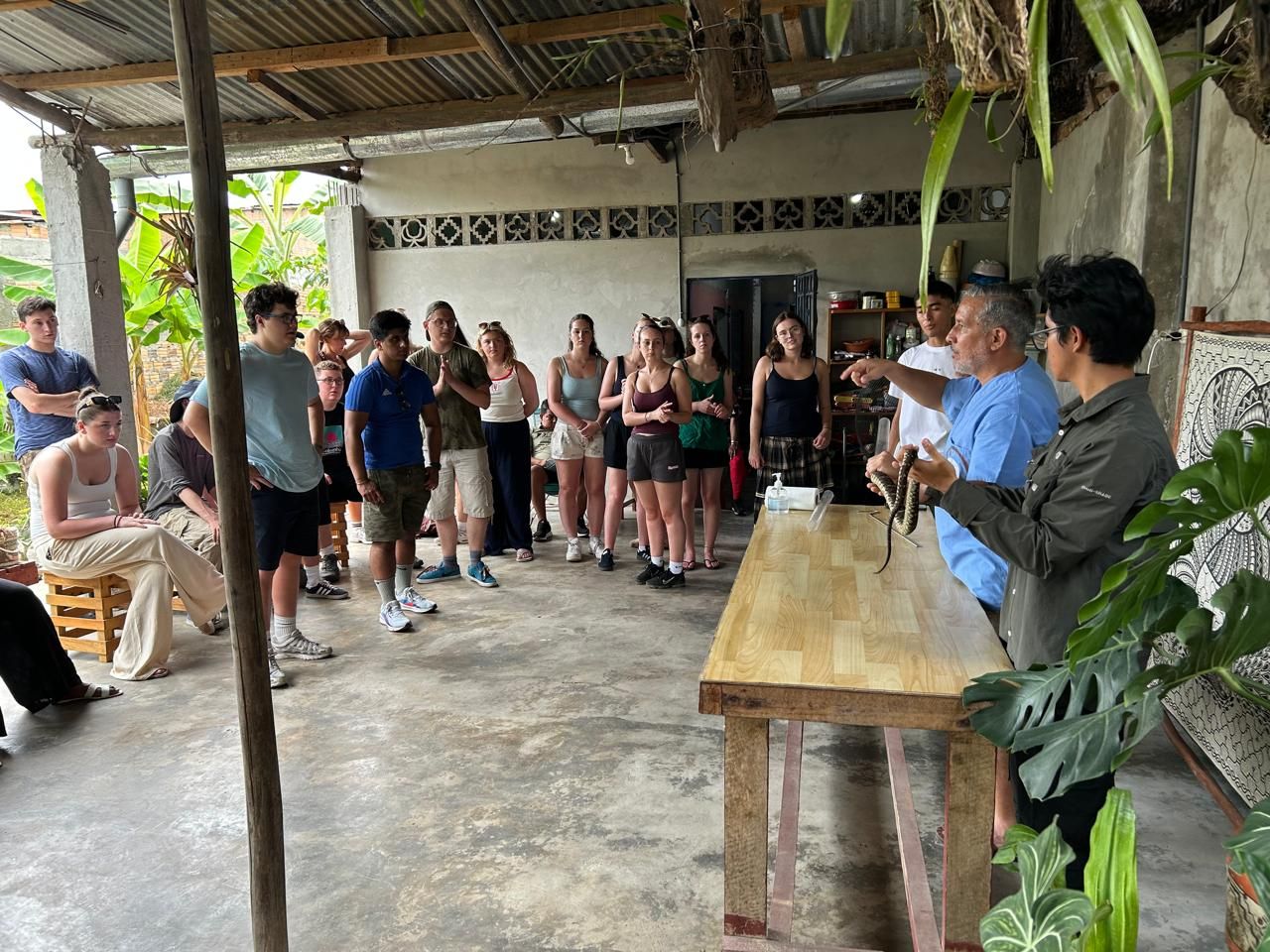
A visiting group gathered for a presentation at the facility.
Visitor presentation at the facility
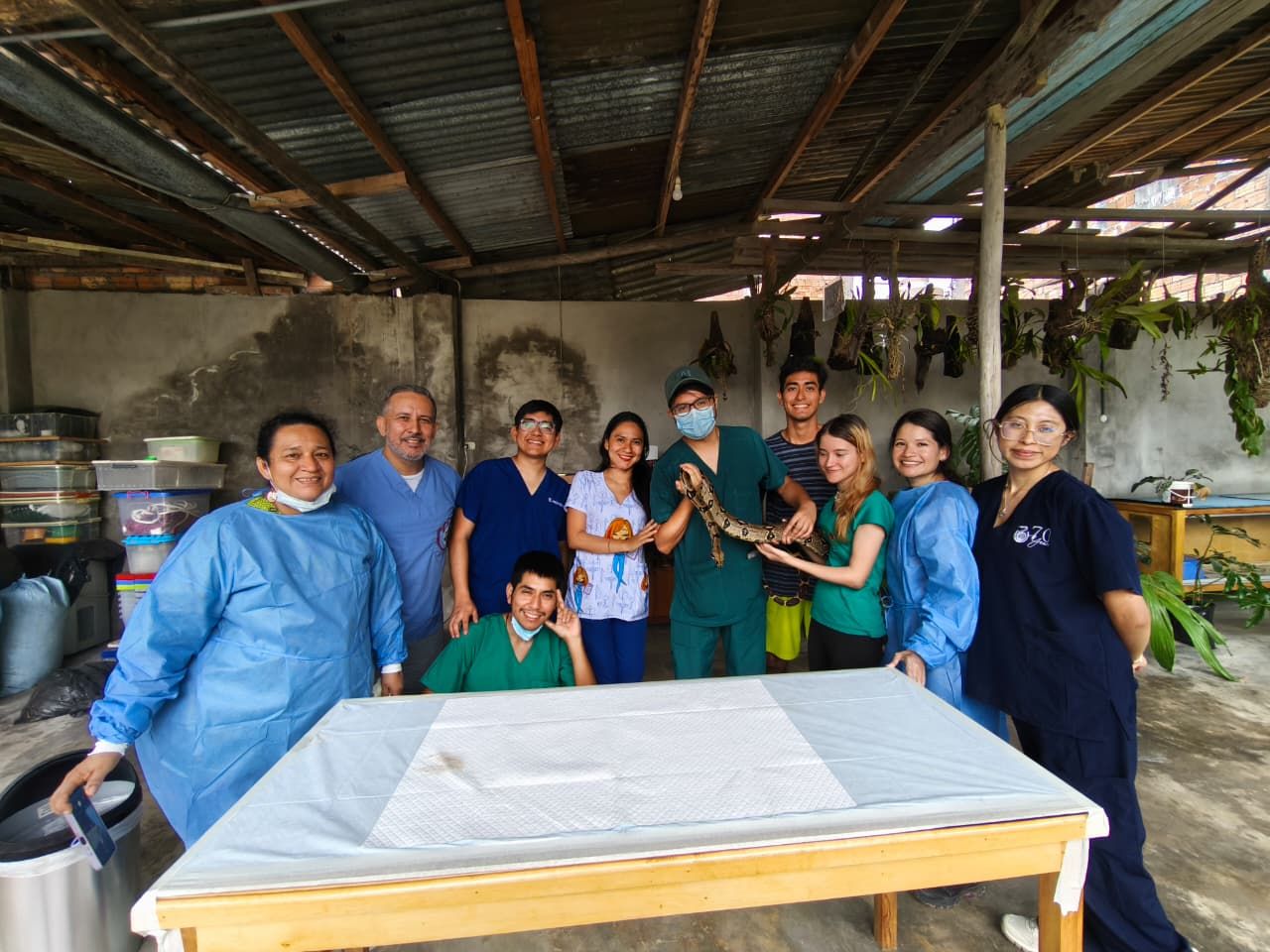
Veterinary staff and students during a teaching visit.
Veterinary teaching visit
06

How ordering works

We would rather set expectations honestly than miss a date.

  1. Enquiry

    Tell us the species, quantity and intended use, and the jurisdiction you are importing into. We will confirm what we can supply and by when.

  2. Proforma invoice

    Issued against your enquiry, itemising material, packaging and export documentation. Export and bank transfer charges are identified separately rather than buried.

  3. Purchase order

    On receipt of your order we issue the sales order and commercial invoice, and begin the export documentation process.

  4. Export clearance

    Wildlife authority inspection, transport guide, certificate of origin and customs declaration. This stage is outside our control and we will keep you informed through it.

  5. Dispatch

    Released to the courier once your import clearance is confirmed. Certificate of analysis and the full document pack travel with the consignment.

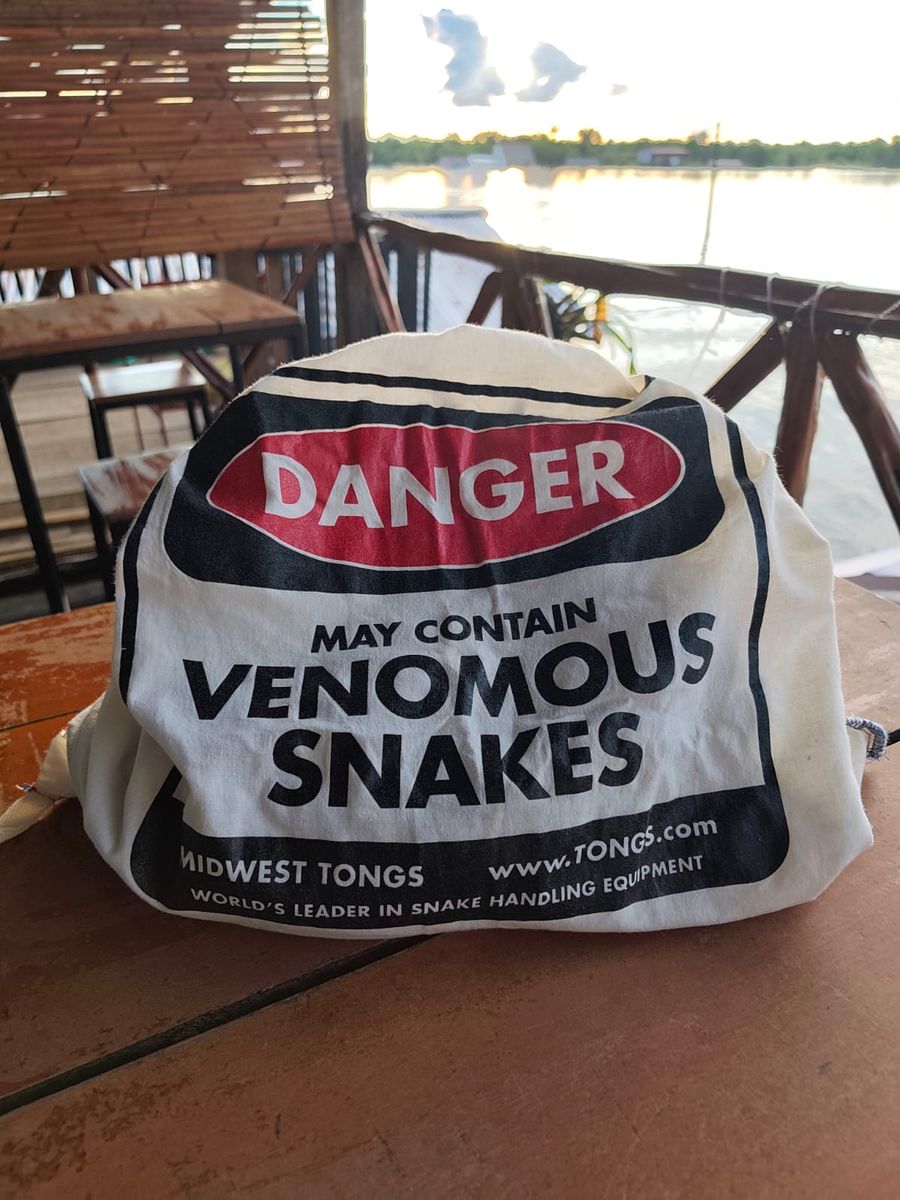
A labelled snake handling bag marked for venomous species.
Handling equipment, marked to standard.

Terms, deposit arrangements and lead times are agreed per order. Research quantities and institutional supply agreements are handled differently; say which you need at enquiry stage.

07

Contact

Enquiries

info@yavaribioresources.com

Please include your institution, the species and quantity of interest, and your import jurisdiction. We answer every enquiry, including the ones we have to decline.

Registered office

Bio Recursos Yavarí Selva E.I.R.L.
Calle Samanez Ocampo 522
Iquitos 16002 — Maynas, Loreto
Perú

Company

RUC 20602295541
Trading as Yavari Bio Resources
Fernando Torres, Chief Executive